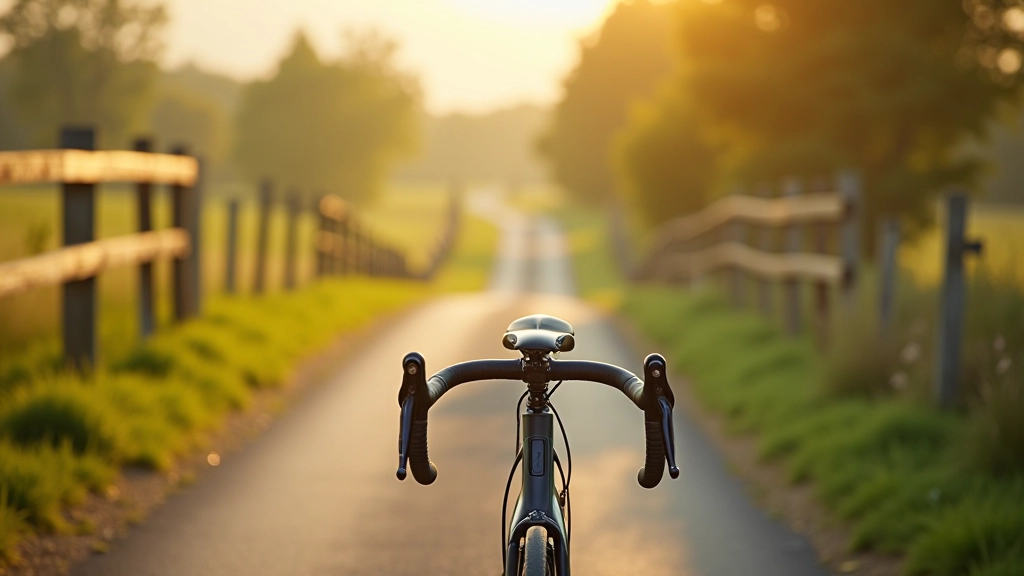
Choosing the Right Bike for Countryside Riding
What features matter most when you're cycling gentle farm roads. We'll break down geometry, components, and comfort considerations.
How to gradually increase your cycling distance without overdoing it. A realistic approach for riders getting back into the sport.
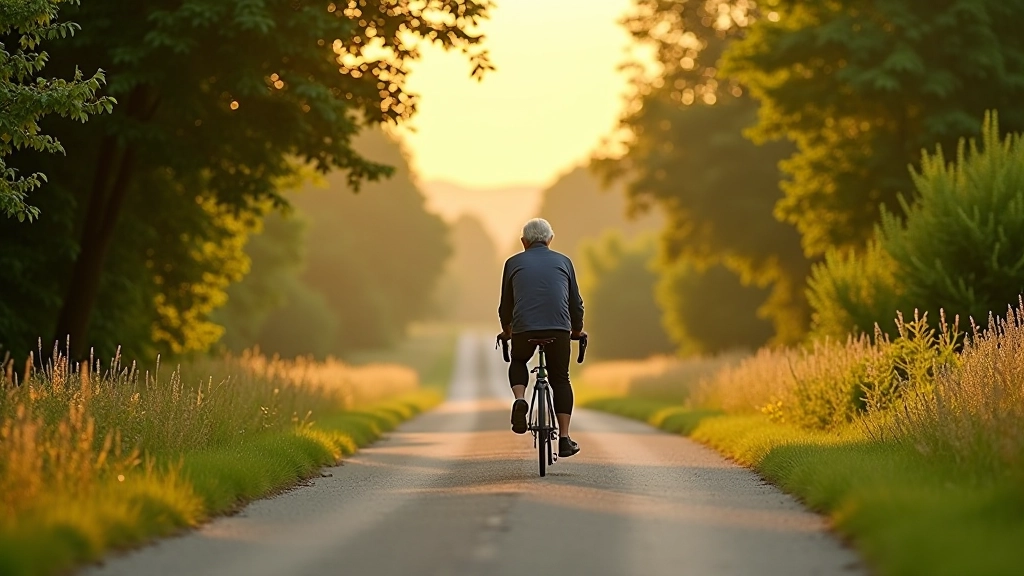
Building cycling endurance isn't about becoming a racer. It's about enjoying longer rides comfortably, whether that's a gentle 30-kilometer loop through farmland or exploring routes you've never had the confidence to tackle before. We're talking real, sustainable improvement that doesn't require extreme training.
The good news? You don't need special talent or a rigid schedule. You need consistency, patience, and a realistic plan. Most people see noticeable changes in 4-6 weeks of steady riding. That's the timeframe we'll work with here.
This is the most important step and also the one people skip. Before you plan any training, figure out your current comfortable distance. That's the distance you can ride right now without feeling wrecked afterward. Not the distance you wish you could do — the one you actually can.
Let's say that's 15 kilometers. Write it down. That's your baseline. If you haven't ridden in months, your baseline might be shorter. That's fine. Everyone starts somewhere.
The 10% Rule: Increase your longest ride by only 10% each week. If your comfortable distance is 15km, next week you're aiming for about 16.5km. Simple math, huge difference in preventing injury and burnout.

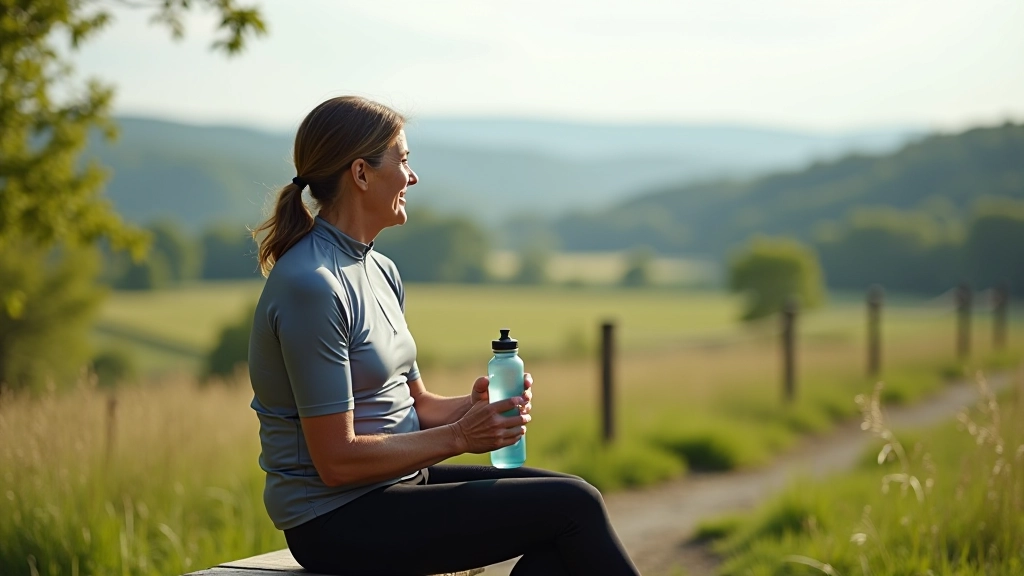
You don't need to ride every day. In fact, you shouldn't. Your legs need recovery time. We're talking 3 rides per week, and they should look different from each other.
Relaxed pace, maybe 12-15 kilometers. You should be able to talk while riding. This isn't about pushing yourself — it's about movement and recovery.
Moderate effort, same distance as Monday or slightly more. You're building aerobic capacity here. This ride should feel purposeful but not punishing.
This is where the 10% rule applies. Your longest ride of the week. Go easy on pace — speed doesn't matter. Time in the saddle does.
Rest days are essential. Your body adapts during recovery, not during the ride. That's when your fitness actually improves. Skip the rest days and you're working against yourself.
This article provides general guidance about cycling endurance training. Individual fitness levels, health conditions, and recovery needs vary significantly. If you have any existing health concerns, injuries, or haven't exercised regularly, it's wise to check with your doctor before starting a new training program. Listen to your body — discomfort and pain are different signals.
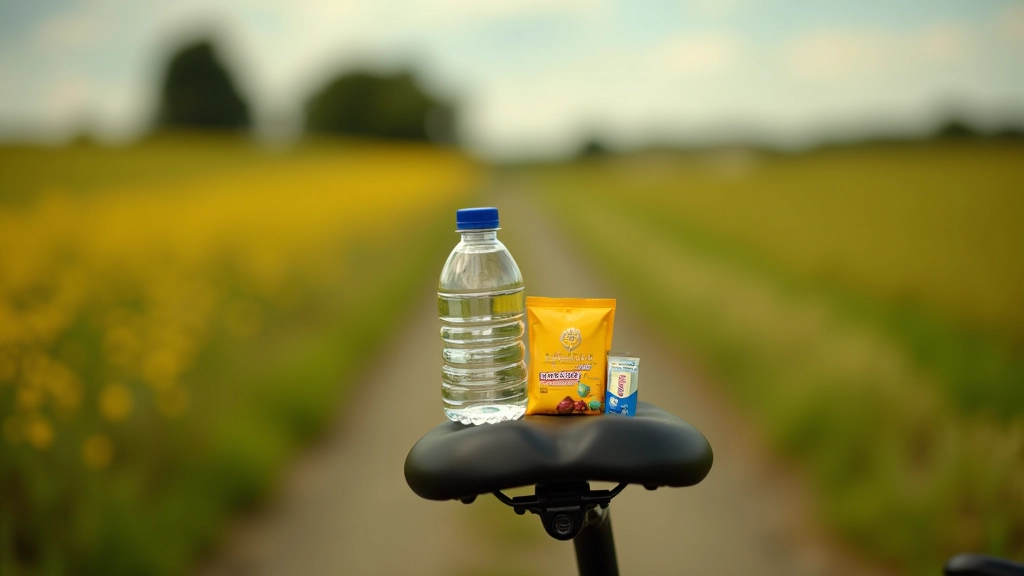
Here's something that catches people off guard: if you're riding for more than 90 minutes, you'll need fuel. Not a full meal, but actual calories. Your body can only store enough glycogen for about 90 minutes of steady cycling. After that, you're running on fumes unless you eat.
For rides under 90 minutes, water and maybe an electrolyte drink is enough. For longer efforts, you'll want something simple to digest — a banana, energy bar, or sports drink. Don't wait until you're starving. You'll bonk hard and the rest of your ride becomes miserable.
Real-World Fueling:

Your legs aren't actually getting stronger while you're riding. They're getting stronger in the hours and days after, when your body repairs the muscle fibers you've stressed. That's why sleep matters. It's not boring advice — it's physiology.
Aim for 7-9 hours of quality sleep on nights after your harder rides. Eat enough protein to support muscle repair — chicken, fish, eggs, legumes, whatever fits your diet. Stretch gently after rides. It doesn't need to be intense. Just 10 minutes of easy stretching improves recovery and flexibility.
Cool Down: Ride easy for the last 10 minutes to let your heart rate drop gradually.
Hydrate & Refuel: Drink water and eat something within 30 minutes of finishing.
Stretch: Light stretching for 10 minutes, holding each stretch for 30 seconds.
Rest: Take it easy for the rest of the day. No heavy lifting or intense exercise.
You don't need fancy apps or expensive equipment. A simple notebook works fine. Write down each ride — date, distance, how you felt, any issues. After 4-6 weeks, you'll see the pattern. Distances are increasing. Your legs feel stronger. What felt impossible a month ago feels manageable now.
This isn't about performance data. It's about building confidence. You're literally watching yourself get better. That matters more than any number on a screen.
Rides feel slightly easier. You're settling into the routine.
Noticeable improvement. You're riding further with less effort.
Real endurance gains. Longer distances feel achievable.
Building endurance isn't complicated. It's consistent, steady riding combined with proper recovery. You're not training for a race. You're training for the joy of cycling longer routes without exhaustion. Three rides per week. Increase slowly. Fuel properly. Rest well. That's the whole formula.
Start with your current comfortable distance and apply the 10% rule. In six weeks, you'll be surprised where you are. The Cēsis to Āraišu lake loop that seemed daunting now feels achievable. New routes open up. You're not just cycling — you're actually exploring.
The key? Start today. Not next week. Not when the weather's perfect. Today. Your future self will thank you.
Explore More Countryside Cycling Guides