Safety Essentials for Rural Riding
The gear and practices that matter most when cycling through farmland. Visibility, hydration, and navigation — covered.
Why Rural Riding Demands Different Prep
You're cycling through open countryside — not city streets with traffic lights every block. That means you need to think differently about safety. Cars move faster here. Visibility is trickier when there's no streetlight glow. And if something goes wrong, help isn't just around the corner.
The good news? Most of what keeps you safe out here is straightforward. It's about visibility, preparation, and knowing what to bring. We'll cover the essentials — the things that actually make a difference when you're rolling through farm roads and quiet lanes.
Visibility First
Drivers can't avoid what they can't see. Bright colors and lights are non-negotiable.
Stay Hydrated
Water stops are fewer and farther between. Bring more than you think you'll need.
Know Your Route
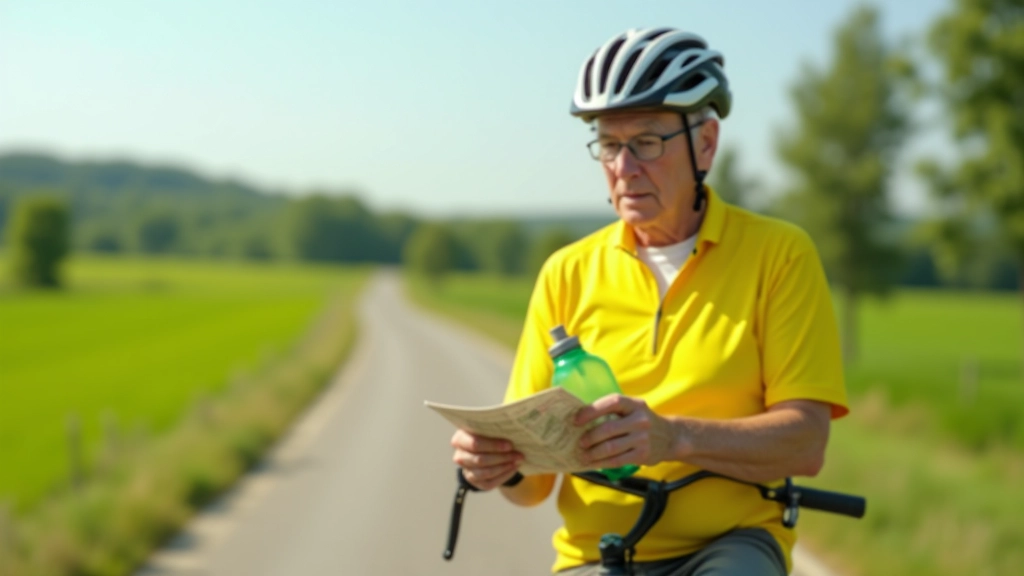
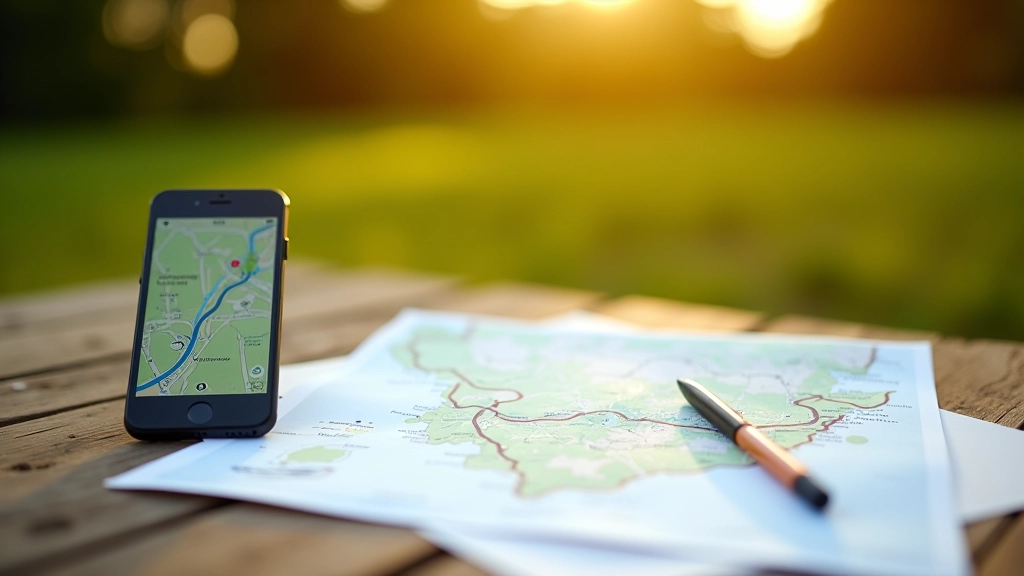
GPS is helpful, but a paper map and basic navigation skills beat panic every time.
Making Yourself Visible
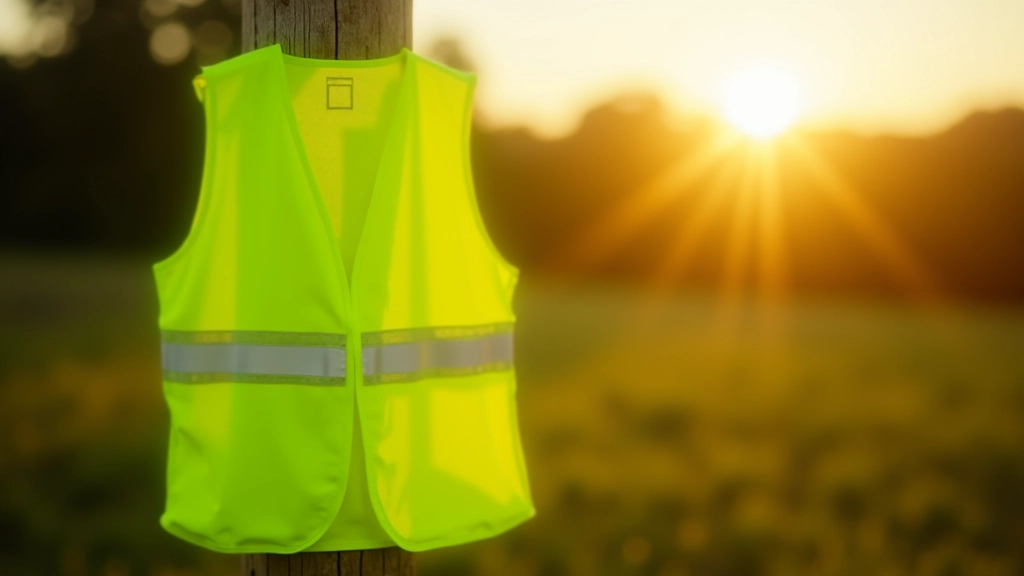
This is the single most important thing. On rural roads, you've got fewer eyes watching. Drivers are moving faster. That neon vest or bright jersey isn't just for looks — it's the difference between being seen and being invisible.
What Actually Works
A bright yellow or orange vest. Wear it over your jacket. Don't worry about looking odd — that's the point. High-visibility clothing is cheap (£8-15) and you'll wear it on every ride. Front and rear lights are essential. Even in daylight. You'll want something that gets noticed — aim for 400+ lumens on the front, 50+ lumens on the back.
Reflective strips on your bag, wheels, or shoes help too. Anything that moves and catches light. Drivers' eyes are drawn to movement, so reflective elements on your pedals and seatpost make a real difference. Most cyclists underestimate this — don't be one of them.
Hydration and Fuel
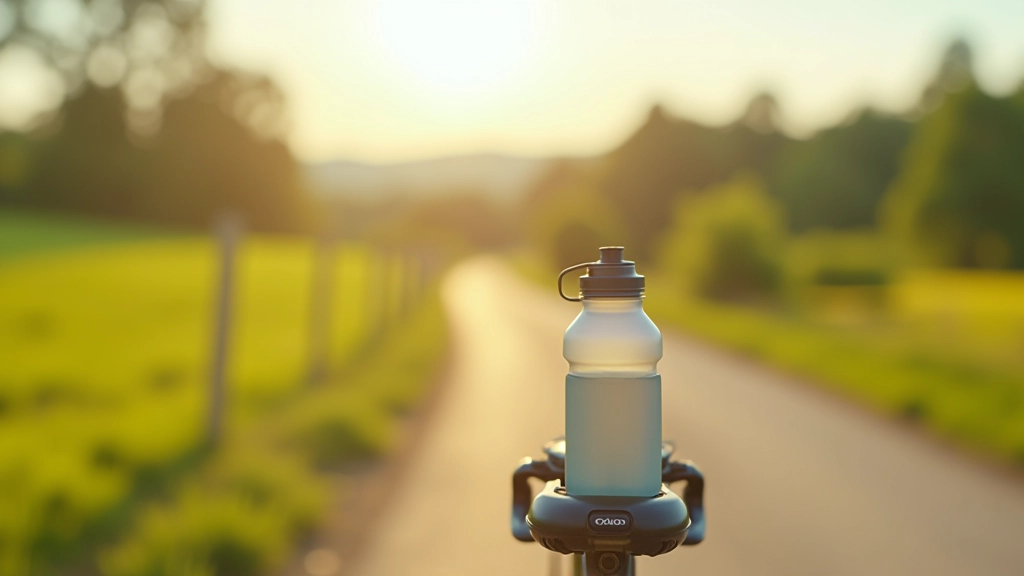
Out on rural routes, there's no café around the corner. You might cycle 30-40 minutes between any kind of stop. Dehydration creeps up on you — you don't realize it's happening until you're dizzy or your legs feel heavy.
The Rule of Thumb
Bring at least 1.5 liters of water for a 2-hour ride. More if it's warm. Drink 200-300ml every 15-20 minutes — not all at once. Sports drinks with electrolytes are worth it on longer rides (over 90 minutes). They help your body absorb water better and replace salt you lose through sweat.
Pack energy bars or bananas too. A snack every hour keeps your energy stable. You'll notice the difference — stronger legs, sharper mind, better mood. It sounds simple because it is. But most cyclists skip it and wonder why they feel terrible halfway through.
Important Note
This article provides educational information about cycling safety practices. It's not a substitute for professional cycling instruction or medical advice. Always consult your doctor before starting a new cycling routine, especially if you have existing health conditions. Road conditions, traffic laws, and weather vary by location — adapt these recommendations to your specific area and abilities.
Essential Gear Checklist
You don't need expensive stuff. You need the right stuff. Here's what actually matters on a rural ride.
Helmet
Non-negotiable. A £30 helmet works as well as a £150 one. Make sure it fits snugly. Replace it after any impact.
High-Vis Vest
Bright yellow or orange. Wear it on every ride. It's the cheapest safety upgrade you can make.
Front & Rear Lights
Use them even in daylight. Look for 400+ lumens front, 50+ lumens rear. USB-rechargeable is convenient.
Basic Repair Kit
Pump, spare tube, tire levers, multi-tool. You won't use it often, but when you need it, you'll be glad it's there.
Phone & ID
Fully charged phone. ID or medical info card. Let someone know your route and when you'll be back.
Water & Snacks
1.5+ liters for 2 hours. Energy bars, bananas, or trail mix. Dehydration sneaks up on you fast.
It All Comes Down to Preparation
Rural riding doesn't have to be scary. It just requires a bit more thought than cycling on familiar streets. You're more visible. You've got water and fuel. You know where you're going. You've told someone your plans. That's most of the battle right there.
The routes through farmland around Cēsis and out to Āraišu Lake are beautiful because they're quiet. Few cars, open views, peaceful riding. But that quietness means you need to be more self-sufficient. Carry the essentials we've covered. Check your gear before you ride. And you'll have safer, more enjoyable cycling.
Start with what matters most — visibility and hydration. Add the rest gradually. Every ride teaches you something about what you need and what you don't. Pay attention to that feedback. You'll build a system that works for your routes and your riding style.
Related Articles